Ansible

Client: RIVM
Cluster Automation
The cluster automation organizes setup into focused Ansible roles for Linux configuration, MariaDB installation, Galera configuration, and security. A playbook coordinates those steps across multiple hosts, while inventory and group variables describe servers and cluster membership. This structure makes deployment repeatable and gives administrators a place to adapt environment-specific settings.
Shell wrappers simplify running the deployment against staging or production inventories and selecting operational utilities. Included playbooks support database backups and stopping or starting individual cluster nodes. The accompanying instructions explain host configuration, variable setup, execution commands, and backup locations, helping administrators follow consistent procedures during maintenance and service operations.

Project
The project also contains educational materials on relational data storage and Power BI, including exercises, theory assessments, practical assessments, schedules, and answer guides. These resources support data skills development through a mixture of concepts and applied work. The technical and instructional materials connect reliable database platforms with informed data practice.
The project represents an evolving operational foundation: its documentation identifies areas for standardization, improved configuration management, automated data loading, and production-ready packaging. The repository shows how infrastructure can be made easier to deploy and maintain through automation, while procedures and training materials help teams use data systems responsibly and consistently.
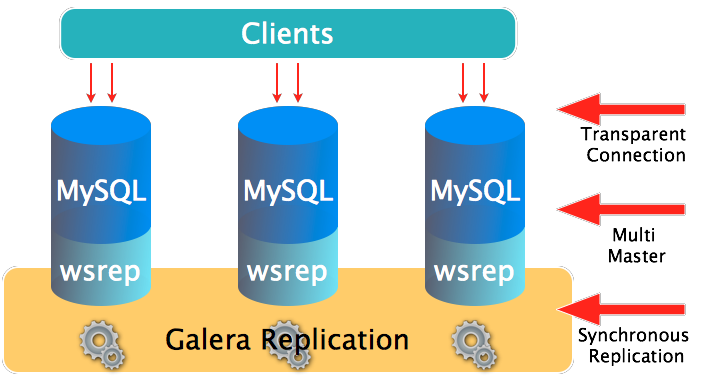
| This project documents infrastructure and learning resources developed for RIVM in the middle of the Covid pandemic. Its central technical component is an Ansible-based deployment toolkit for MariaDB Galera clusters. Supporting files capture operational procedures, configuration examples, and training materials, bringing together database operations and learning in one working archive. | ||||||||||||