re:cognition
Client: krewinkel.studio
re:cognition
groundbreaking technology
re:cognition helps people communicate when speaking or interacting is difficult or no longer possible. With commOS4, a person can use small signals, such as a hand gesture, eye movement, headset signal or other input, to say something, start an action or connect with the world around them. It gives people more ways to express what they need, feel and want to do.
re:cognition = re:connection
We use communication to connect. With family, friends, carers, colleagues and people we meet during the day. We ask questions, make choices, share a joke, say we are tired or order a drink. When speech becomes difficult, that connection can become fragile. re:cognition is built to protect and restore that connection in simple, practical ways.
What commOS4 Does
one signal can become a sentence
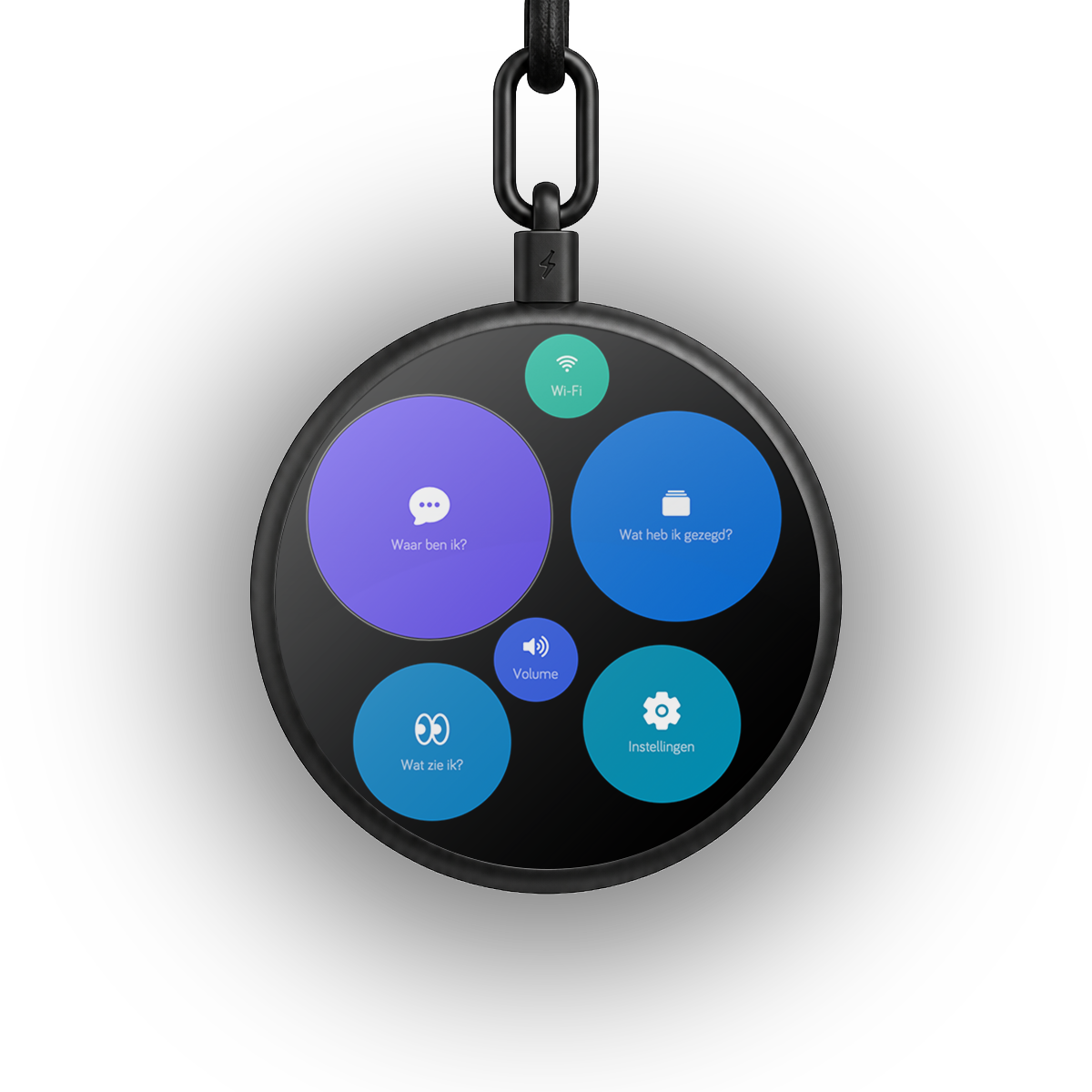
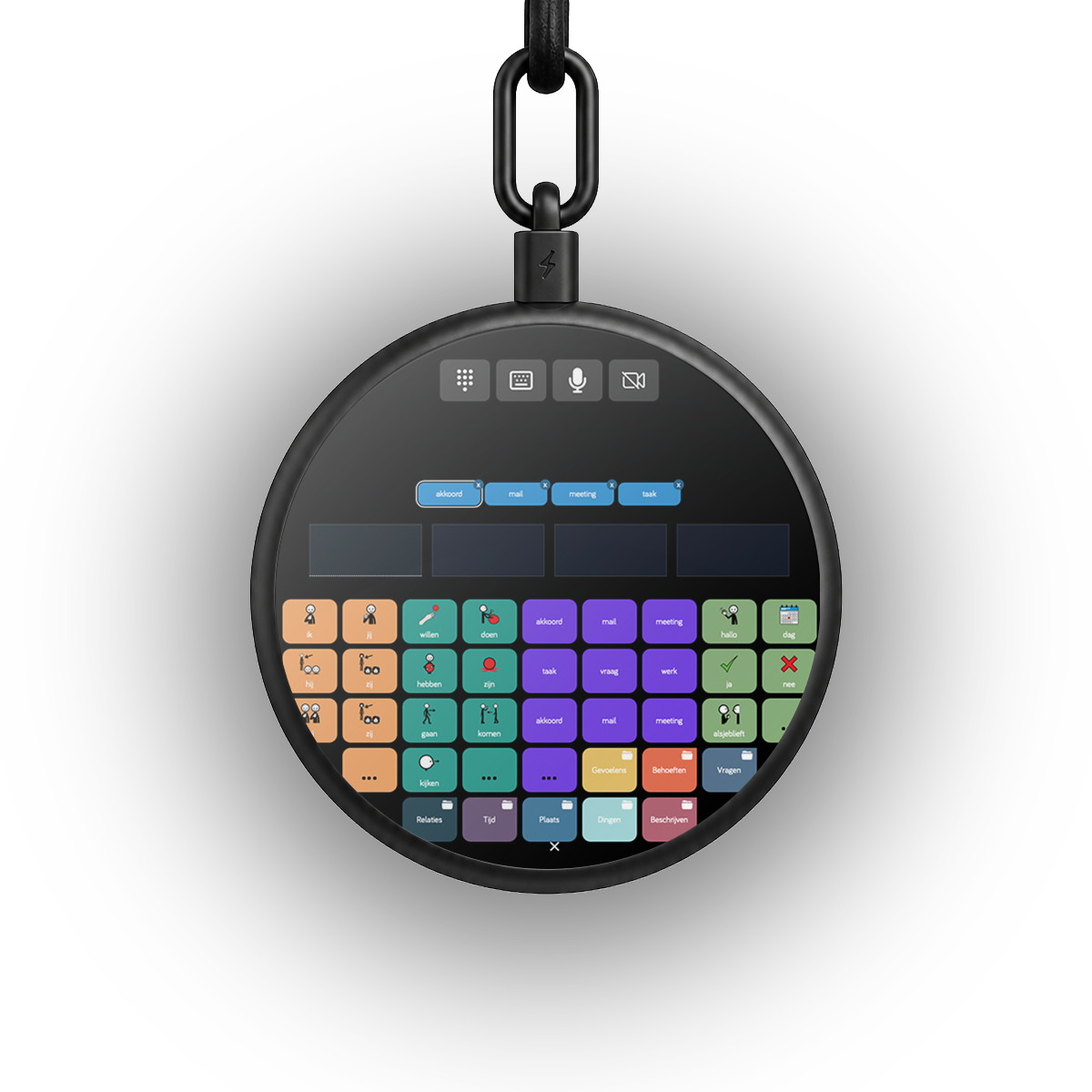
commOS4 is the new implementation behind re:cognition. It turns small, personal signals into useful communication. A gesture can become a word. A few words can become a natural sentence. A sentence can become spoken audio, a message, a search, a robot action or a step in a workflow. The system is designed to support real situations, not just test screens.
communicate in the way that still works
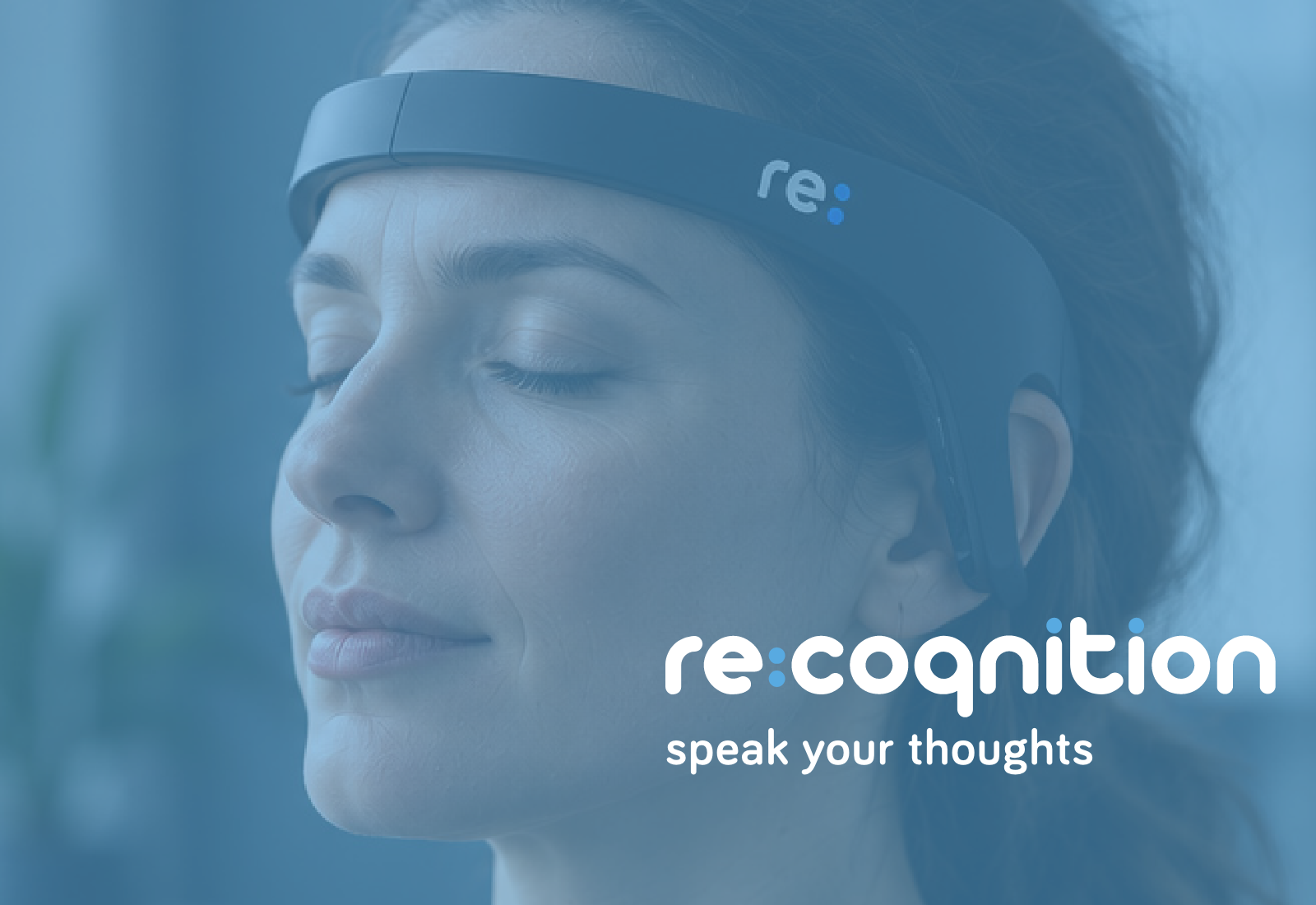
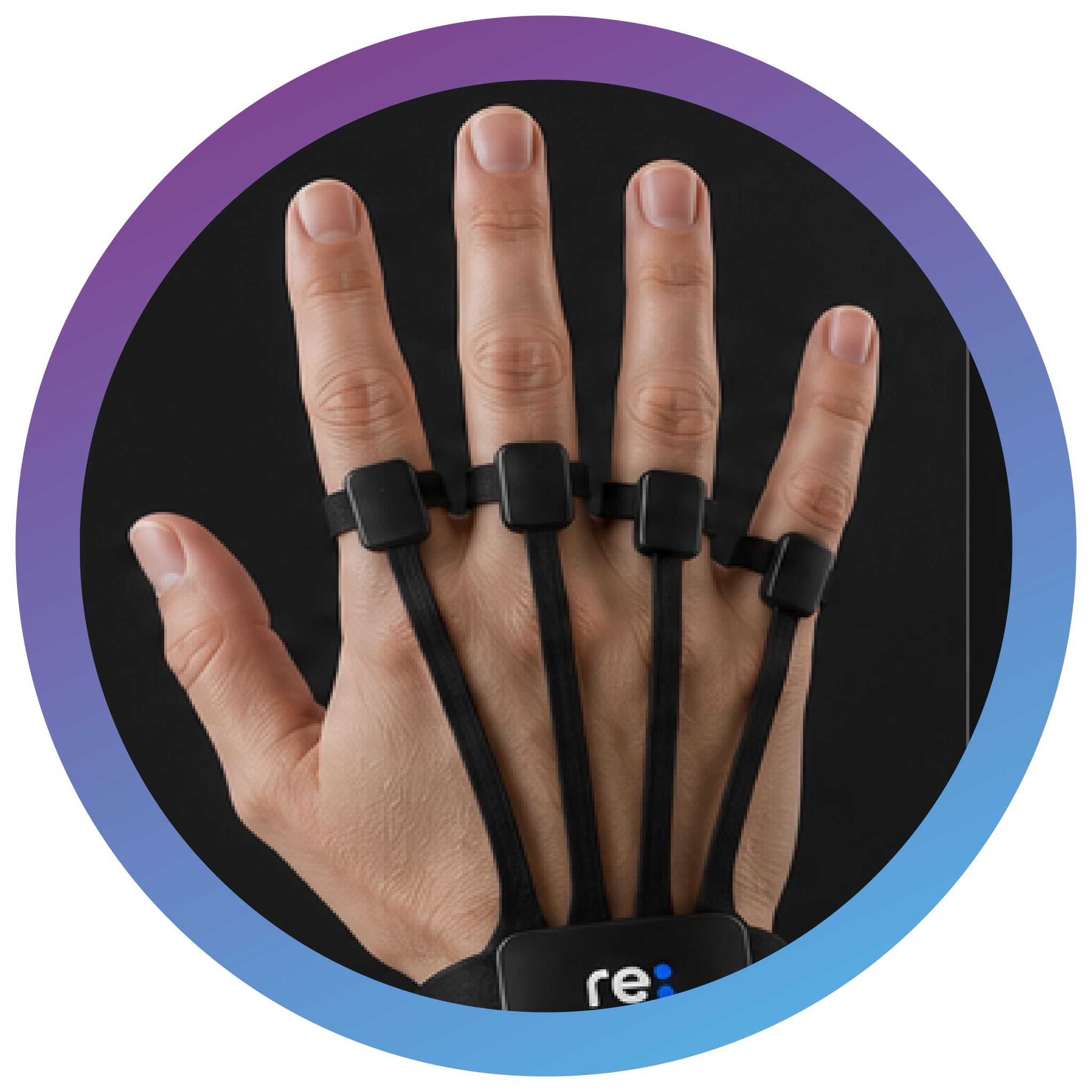
Not every person can use the same movement or signal. That is why re:cognition supports different kinds of input. A headset can read attention or brainwave patterns. A glove can detect finger movement. Eye blinks, head movement, voice commands, touchscreens and future sensors can all become part of the same communication system. The person chooses what works best.
more than speech alone
Speech is often the most important output, but communication can do more. re:cognition can speak a sentence out loud, send text to an app, start a workflow, control domotica, trigger a robot or pass a request to another system. This means a person can communicate with people, but also act on their environment with the same familiar signals.
Help shape the future of assistive technology
re:cognition was born from a fundamental ambition: to create new ways for people to communicate, interact with technology and engage with the world around them. By combining brain-computer interfaces, artificial intelligence and innovative software engineering, re:cognition explores possibilities beyond conventional human-computer interaction.
The vision extends far beyond verbal communication. From expressing thoughts and intentions to interacting with applications, triggering digital workflows, controlling connected devices and operating assistive robotics, re:cognition aims to become a versatile foundation for a new generation of assistive technology. Technology that adapts to people, rather than expecting people to adapt to technology.
While the initial concepts and prototypes have laid the foundation, turning this vision into a mature, reliable and accessible platform requires substantial further research, development and real-world validation.
To take this next step, I am actively looking for funding and a committed business partner who shares my vision. Someone who brings complementary expertise, entrepreneurial experience and the ambition to translate technological innovation into meaningful human impact.
If you are an investor, entrepreneur or organisation interested in shaping the future of assistive technology, I would love to hear from you.
Together, we can redefine how people communicate, interact and participate in an increasingly connected world — creating new possibilities for independence, accessibility and human potential.
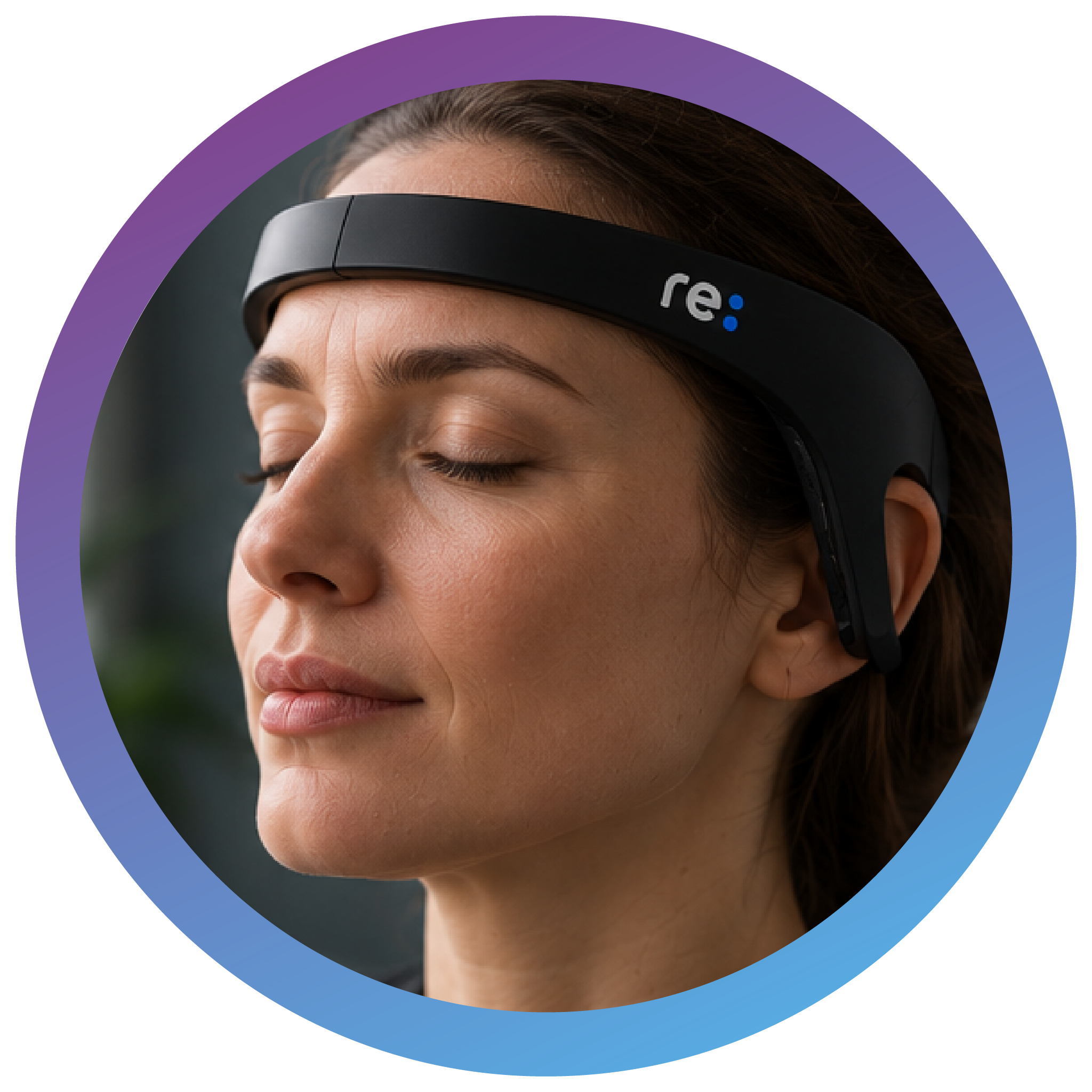
| re:cognition is an AI-driven cognitive interface platform that translates neural and behavioral signals into meaningful digital communication. Designed to restore connection for people with severe speech or motor limitations, it combines advanced signal decoding with human-centered design to turn intent into expression. By converting complex brain activity into usable output, re:cognition opens new pathways for interaction, autonomy, and voice. | ||||||||||||||||